
A perfume description can look like a shopping list: citrus, flowers, woods, vanilla. The top, middle and base structure gives that list some order. It is a way to describe a fragrance’s development, helping you think beyond the first impression when comparing scents.
Top notes: the introduction
Top notes, also called head notes, describe the opening of a perfume. Fragonard’s perfumery guide explains that these are generally the shorter-lived introduction. Enjoy that first impression, but give the fragrance time before deciding whether the whole composition suits you.
Middle notes: the heart
Middle or heart notes describe the central character of the fragrance. When a description names a floral or aromatic heart, it is pointing to this part of the experience. You do not have to pick out each note separately; noticing the overall direction is a useful place to start.
Base notes: the foundation
Base notes describe the deeper, more persistent part of a perfume. They help explain the character you may notice as it settles. Top, heart and base are a broad descriptive structure, not three switches that turn on at a fixed minute for every wearer.
Read a Velour description from start to finish
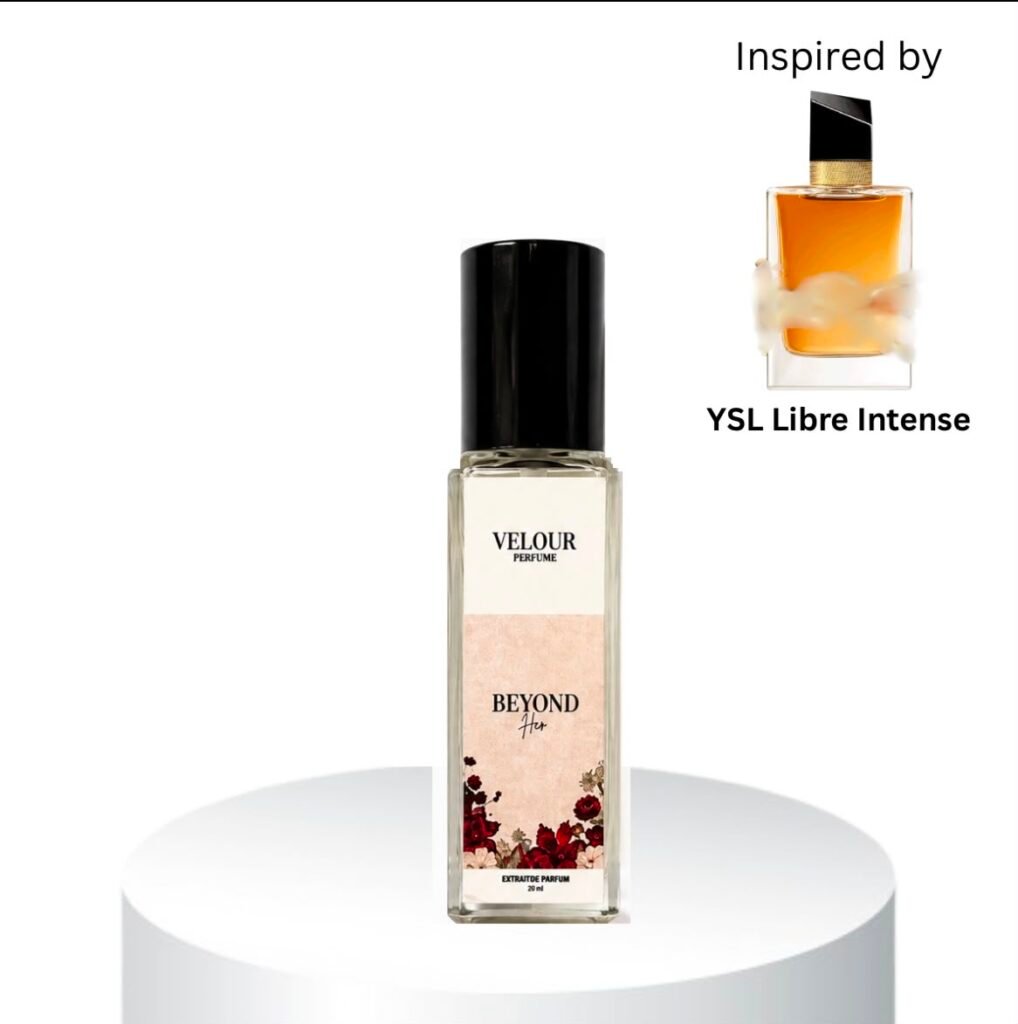
Beyond Her provides a clear example in its product description: lavender and citrus at the opening, white florals including jasmine and orange blossom in the heart, then vanilla, tonka and amber. Read the full sequence and ask whether the later direction appeals to you as much as the opening.
Horizon is described with bright citrus, an aromatic heart and a woody base. Both examples mention citrus, yet the rest of each description points to a different overall fragrance. A single shared note is not enough to conclude that two perfumes will smell alike.
A note list is not a recipe
Fragrance descriptions help communicate smell; they do not provide the formula or the percentage of each ingredient. IFRA’s overview of fragrance creation explains that perfumers work with both natural and synthetic materials. For ingredient information, use the product label rather than treating a scent profile as an ingredient declaration.
When you try a fragrance, write down what you notice at first and later on. Compare that experience with the description without worrying about getting every note “right.” Our sample-testing guide gives you a simple routine to follow.